 An institution of COMESA ↗
Rooted in the Region. Branching Across Markets.
The COMESA Energy Institute brings the region’s green hydrogen ambition, its regulatory peer review and its energy training under one roof, so that what we diagnose, we can fix, and what we pioneer, we can teach.
The region’s regulators know the theory. The gap is in practice.
Energy regulators in our region are setting tariffs, licensing renewables, opening grids to new players and preparing for regional power trade, often with thin teams. And now they are being asked to regulate green hydrogen, a technology no electricity act anticipated.
The best regional evidence is clear. Regulators rate their understanding of a subject far higher than their ability to develop, maintain and monitor it in practice. Nine in ten say they are understaffed. Dispatch, interconnected operations, metering and new technologies score lowest of all.
RAERESA answered with three good initiatives. The Institute makes them one strong institution.
Each Centre is specialised. Together they are stronger.
Each Centre has its own leadership and expertise. All three share one governing council, one Chief Executive, one set of services and one solar-powered home.
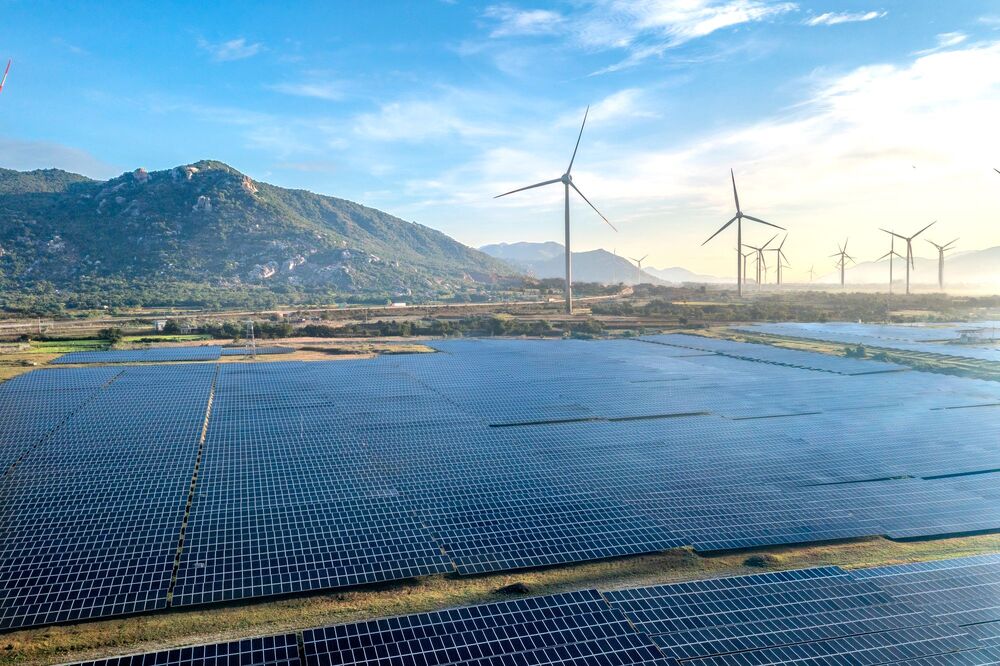
Centre of Excellence on Green Hydrogen
Harmonised regulation, certification, applied research and investment-ready projects to make COMESA Africa’s leading integrated green hydrogen bloc.
Discover the Centre
Regulatory Peer Review Centre
Virtual reviews every year and in-country missions when a deeper look is needed. Regulators are measured against shared regional principles by peers who have done the job.
Discover the Centre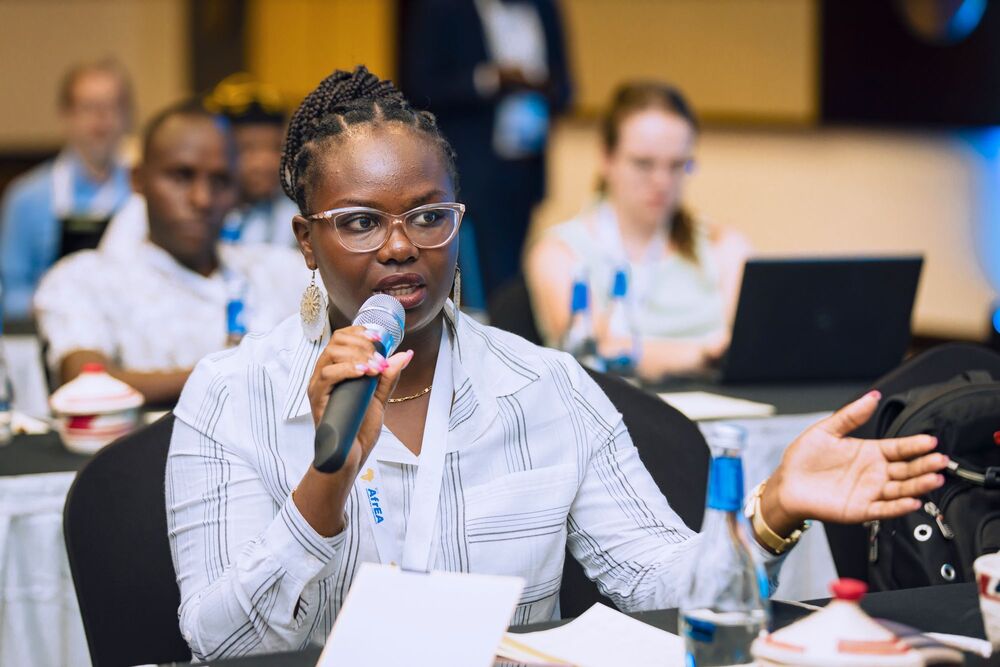
Energy Training Centre
Sixteen practitioner-led courses, four simulation laboratories and the Certified COMESA Energy Regulator credential, all assessed on real work products.
Discover the CentreFrom diagnosis to capability, in one loop
No Centre rebuilds what another already does. That rule is written into the Institute’s governance, and it is what makes the whole worth more than its parts.
Peer Review finds the gap
Each review scores a regulator across five clusters, from independence to grid rules, and pinpoints where capability is weakest.
Training closes it
A Member State that scores low on third-party access is offered the grid code course. One that scores low on regional alignment gets system operations training.
Hydrogen extends the frontier
The Green Hydrogen Centre’s experts teach in the Training Centre’s hydrogen courses, so new-technology knowledge comes from the region’s own work.
Every year, review findings and the biennial Capacity Needs Survey set the next year’s training calendar.
Where the region gathers to hold council
For generations, communities from the Horn of Africa to Madagascar have gathered beneath the baobab to resolve disputes, take decisions and pass knowledge to the next generation.
The baobab is the idea behind the Institute. It stands for a single, recognised place where regulators convene to learn, where performance is reviewed by peers, and where the region’s hydrogen future is researched and demonstrated. A baobab can live for more than a thousand years. The Institute is built to last in the same way.
 Convening the region’s energy regulators
A working building that pays its own way
The plan is a compact three-storey facility on a single acre, not a sprawling campus. It sits on a site that hosts a 10 MW solar plant with battery storage, owned debt-free by the Institute.
The building uses about one-sixteenth of the plant’s output. The rest is sold. That recurring, non-donor income is planned to cover the Institute’s core running costs and keep it independent of grant cycles.
Demonstration & Green Hydrogen
Live energy exhibit, research electrolyser and fuel-cell test bay, microgrid control room
Energy Training Centre
State-of-the-art training rooms, syndicate rooms, four simulation labs, virtual peer review studio
RAERESA Secretariat
Offices of the Chief Executive, the three Centres and the Secretariat, and the boardroom
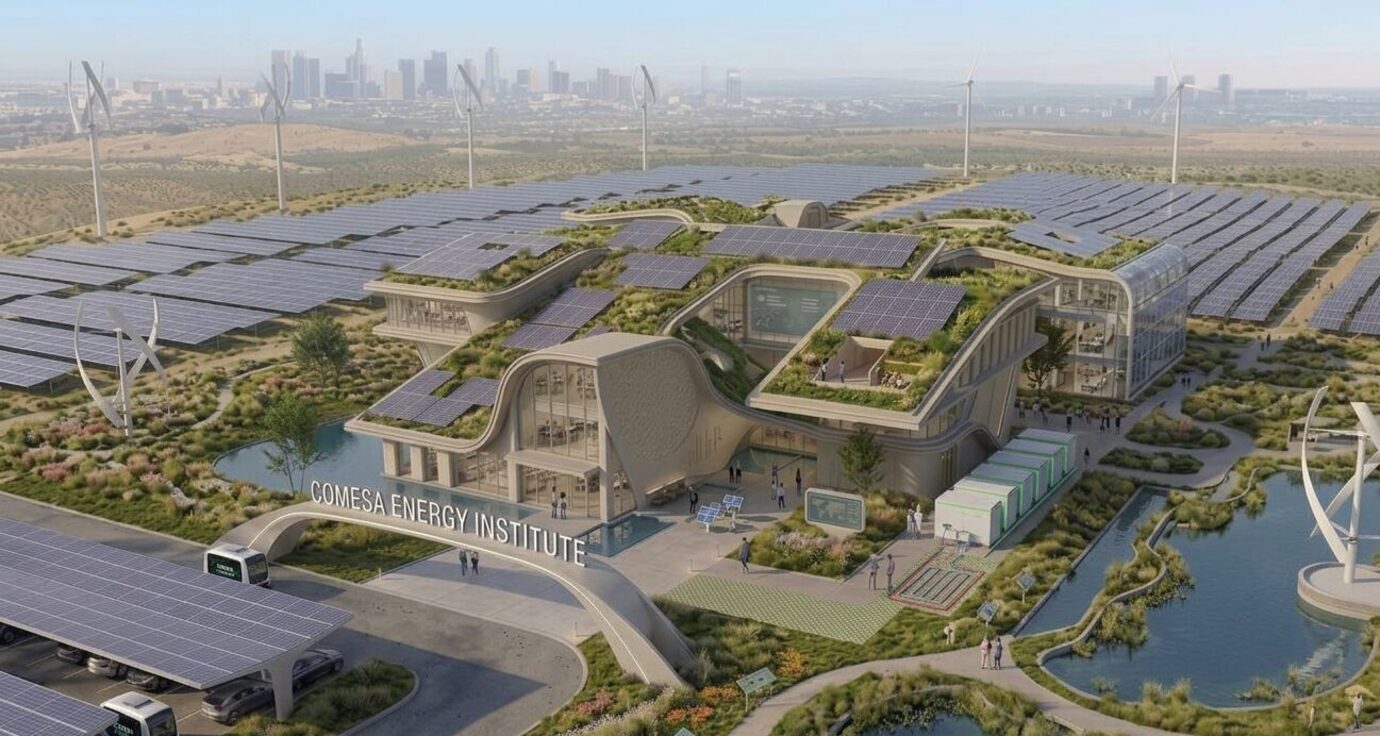
Illustrative concept only. Architectural design follows the feasibility stage.
To be the definitive regional institution for energy regulatory excellence, regulatory diagnostics and clean energy technology leadership in Eastern and Southern Africa.
To strengthen the region’s energy sector through three integrated functions delivered under one roof:
- demonstrating and researching the region’s green hydrogen potential;
- holding the region’s regulators to a shared, peer-reviewed standard of performance;
- building deep, practical regulatory and technical expertise across the sector.
Designed around evidence, not assumption
One institution
One governing council, one Chief Executive, one 19-post establishment. No duplicated back offices.
Self-financing core
An owned solar plant funds core operations. No grant, no concessional loan, no capital call on Member States.
One region, three languages
Anglophone, Francophone and Arabophone regulators learn and review together, by design.
Owned by its members
Governed by RAERESA’s Plenary and Executive Committee, with policy oversight from COMESA Ministers of Energy.
We would have ended with three small institutions where the region needs one strong one.
The Institute is designed to teach the region’s regulators to build evidence, test assumptions and state their findings honestly, including the inconvenient ones. That standard begins with how the Institute itself is founded.
Help build the region’s home for energy regulation
We welcome development partners, governments, utilities, investors and universities who want to co-design programmes, second experts, sponsor participants through the Access Fund, or host hydrogen demonstration projects.