 An institution of COMESA ↗
Powering Africa’s Green Hydrogen Future
The COMESA Centre of Excellence on Green Hydrogen builds the rules, evidence and investable projects that will let Eastern and Southern Africa turn its sun, wind, water and geothermal heat into a certified, competitive clean fuel for its own industry and for export.
World-class resources. Fragmented rules.
The COMESA region has some of the best solar, wind, hydro and geothermal resources on earth. What holds back a hydrogen economy is not the resource. It is five gaps that no single country can close alone.
Regulatory fragmentation
Twenty-one legal systems and no shared hydrogen rulebook. The Centre drafts model regulations and harmonised safety codes.
No harmonised certification
Buyers will pay for green only if they can verify it. The Centre is building one regional Guarantees of Origin system.
Thin research infrastructure
There are few places in the region to test electrolysers, storage or materials in local conditions. The Lusaka research zone fills that gap.
Weak project bankability
Good ideas stall before financial close. The Project Preparation Facility turns concepts into bankable transactions.
Few hydrogen specialists
Regulators, technicians and executives need new skills. These are delivered through the Institute’s Energy Training Centre.
One regional answer
If the region can de-risk technology and regulation together, no Member State has to carry that risk alone.
To position COMESA as Africa’s leading integrated green hydrogen economic bloc.
To accelerate a harmonised, innovation-driven and investment-ready green hydrogen ecosystem across Eastern and Southern Africa.
- Hosted by RAERESA as Centre 01 of the COMESA Energy Institute
- Built on RAERESA’s regional regulatory coordination platform
- Grounded in demonstration and evidence, not projections alone
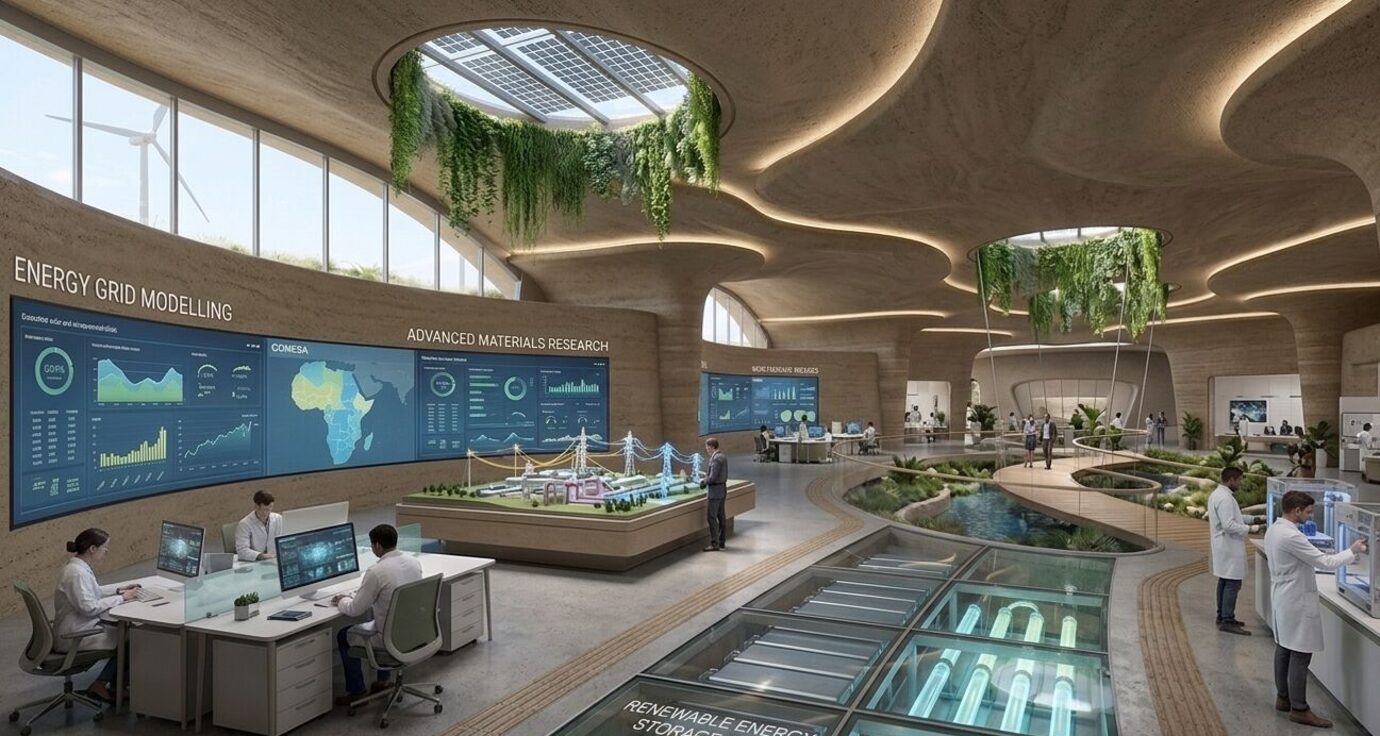
Illustrative concept of the applied research wing, Lusaka.
Six pillars, one hydrogen economy
Each pillar removes one barrier between the region’s renewable resources and a working, traded, certified hydrogen market.
Policy & Regulatory Harmonisation
Model regulations, harmonised safety codes, protocols for grid integration and renewable coupling, cross-border trade rules and standard carbon accounting.
Certification & Guarantees of Origin
A regional carbon-intensity methodology, a digital registry, independent verification and alignment with emerging global standards.
Demonstration & Hydrogen Zones
Two to three commercial regional hubs in port export corridors, industrial clusters and mining decarbonisation zones.
Applied Research & Innovation
Electrolyser performance testing, hydrogen safety, materials and storage, the water–energy nexus and local manufacture of fuel cells.
Investment & Project Preparation
Pre-feasibility and feasibility studies, ESIAs, financial modelling, transaction structuring, PPP advisory and risk-mitigation instruments.
Capacity Building & Skills
Training for regulators, technician certification, executive policy programmes and industry academies.
Delivered through the Energy Training Centre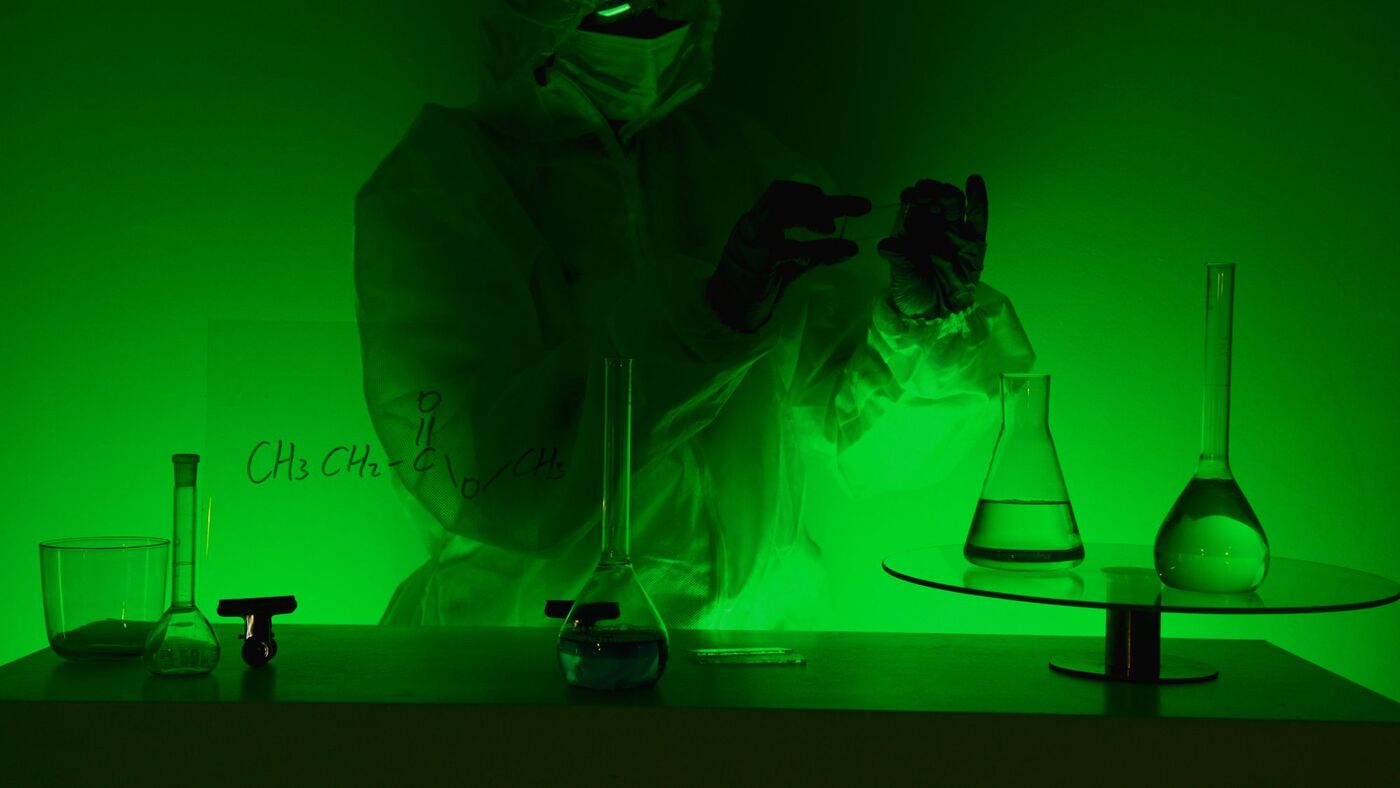 Hydrogen Research & Incubation Zone · Lusaka
A living laboratory powered by the sun
On the ground floor of the Institute, a safety-rated research bay will hold a research-scale electrolyser, a fuel-cell test rig and gas-handling facilities, running on the Institute’s own solar plant.
- Electrolyser testing under real African heat, dust and water conditions
- Electrolysis as flexible load, scheduled against surplus solar output as a live teaching case
- Materials, storage and safety research to inform regional codes
- Water–energy nexus optimisation for water-stressed sites
- Start-up incubation for fuel-cell and component localisation
Safety comes first. Before commissioning, a safety case will be prepared to recognised international standards, with defined setbacks, gas detection, a named responsible person and an annual independent safety audit.
From the laboratory bench to industrial scale
The research zone in Lusaka works at the scale of hundreds of kilowatts. The commercial hubs are industrial infrastructure, sited by the Centre’s own studies and financed separately.
Port export corridors
Hydrogen and derivatives such as ammonia, produced close to deep-water ports for regional and global buyers.
Industrial clusters
Green hydrogen for fertiliser, steel, cement and chemicals, so value is added inside the region.
Mining decarbonisation zones
Cleaner haulage, process heat and power for the copper, cobalt and critical-minerals belts.
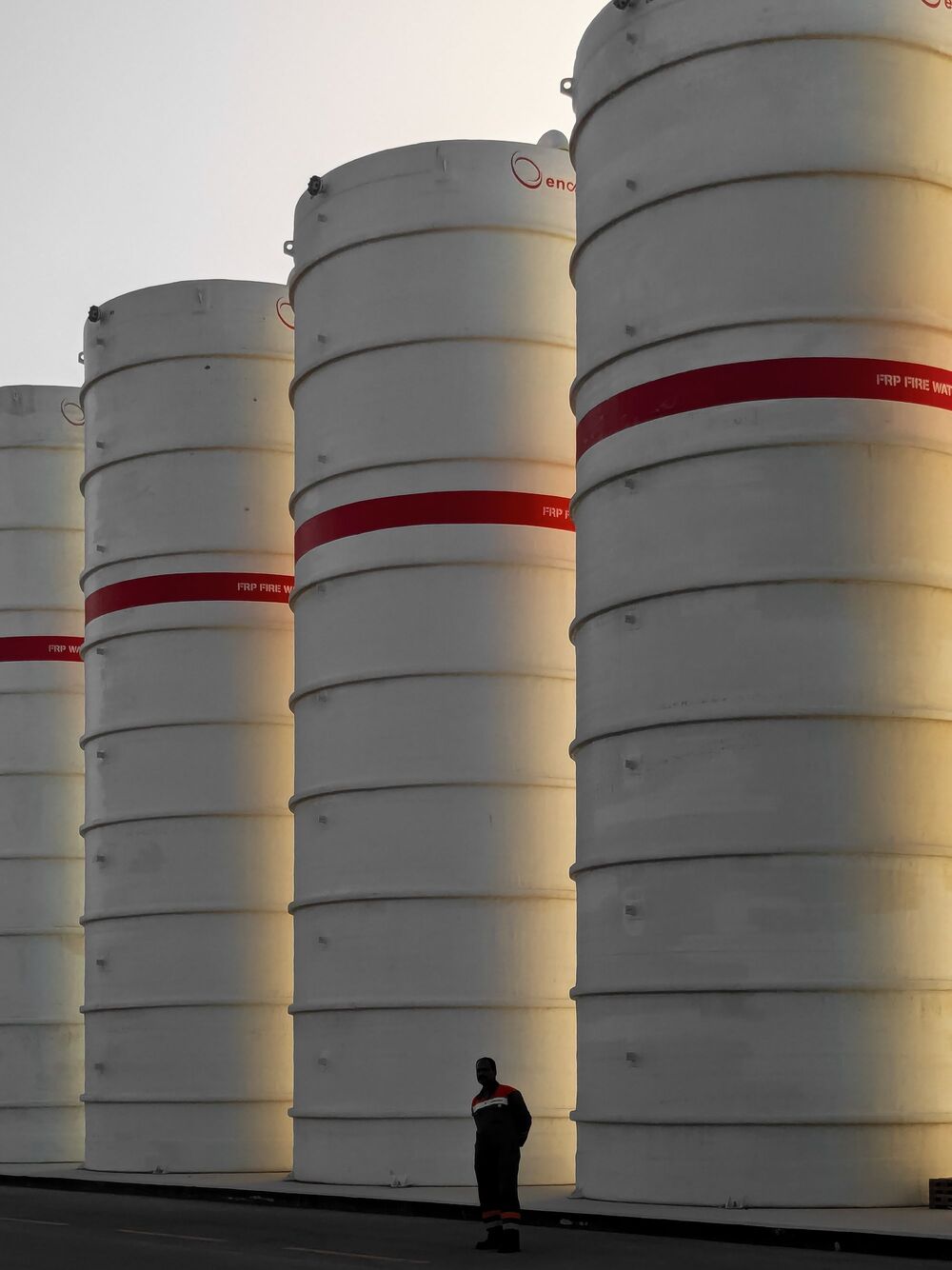
Green you can prove
International buyers pay a premium only for hydrogen whose carbon footprint is measured, verified and traceable. The Centre is building one regional system so a molecule certified in one Member State is trusted in every market.
- A regional carbon-intensity methodology
- A digital traceability and registry platform
- Independent verification and accreditation of certifiers
- Alignment with emerging global standards and export-market rules
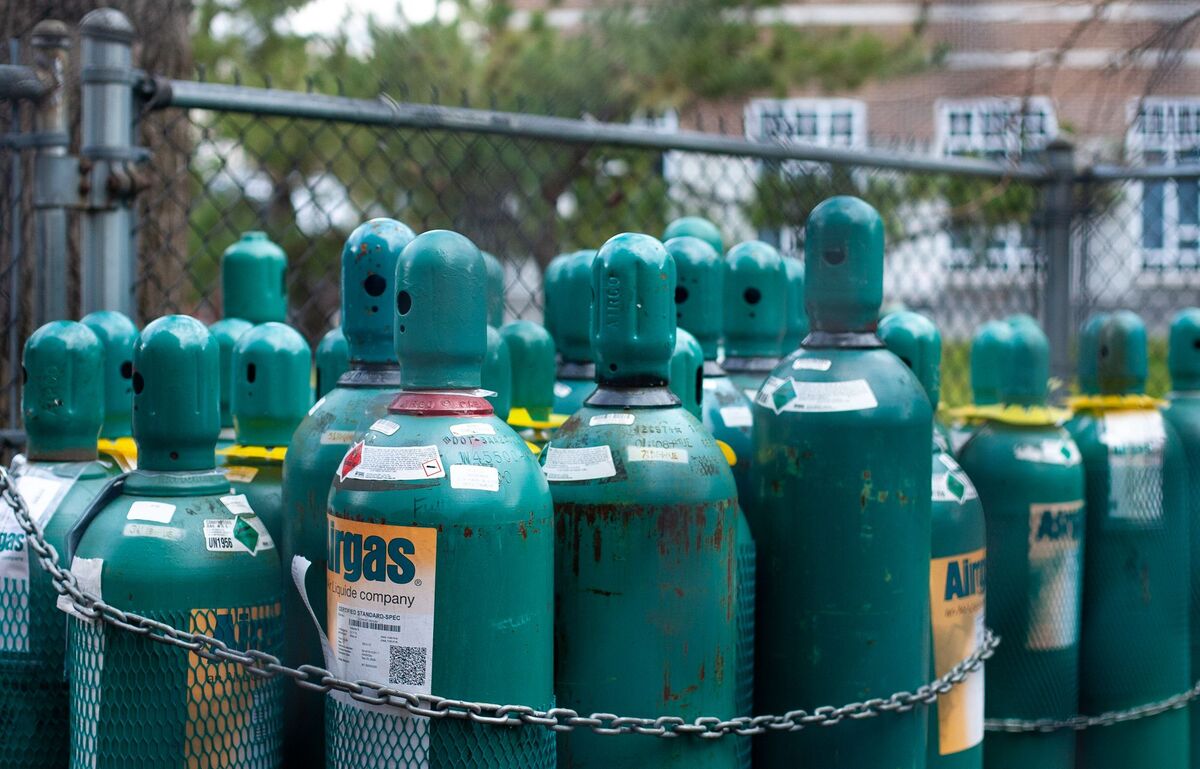

Turning concepts into bankable projects
The Project Preparation Facility carries promising hydrogen projects through the steps where most of them stall.
The Centre is funded through its own ten-year blended envelope. Grants fund early regulatory work, concessional and blended finance funds demonstration, and certification and advisory revenue grow over time. None of this draws on RAERESA’s core budget.
Hydrogen skills, taught by the people doing the work
The Centre does not run a separate academy. Its capacity-building mandate is delivered through the Institute’s Energy Training Centre, with the Centre’s hydrogen experts teaching as faculty.
CEI-302 · Green Hydrogen Economy
Regulatory frameworks, certification and market design. The flagship hydrogen course for regulators.
CEI-301 · Solar & Wind Integration
Grid integration, curtailment and regulatory design for the renewables that feed electrolysers.
CEI-303 · Storage & Flexibility
Storage, flexibility markets and distributed resources, including electrolysis as a controllable load.
A phased path from foundation to hubs
Foundation
Establishment decisions, hydrogen regulatory work and first certification methodology drafted with Member States.
Construction
The Lusaka facility and its solar-and-storage plant are built. Hydrogen courses delivered online.
Commissioning
Research and incubation zone commissioned once its safety case is approved. On-site hydrogen training begins.
Regional hubs
Phase II deployment of commercial hydrogen hubs in export, industrial and mining corridors.
Green hydrogen, plainly answered
What is green hydrogen?
Why should COMESA act as a bloc?
Does the Centre build commercial hydrogen plants?
How is the Centre financed?
How can my organisation get involved?
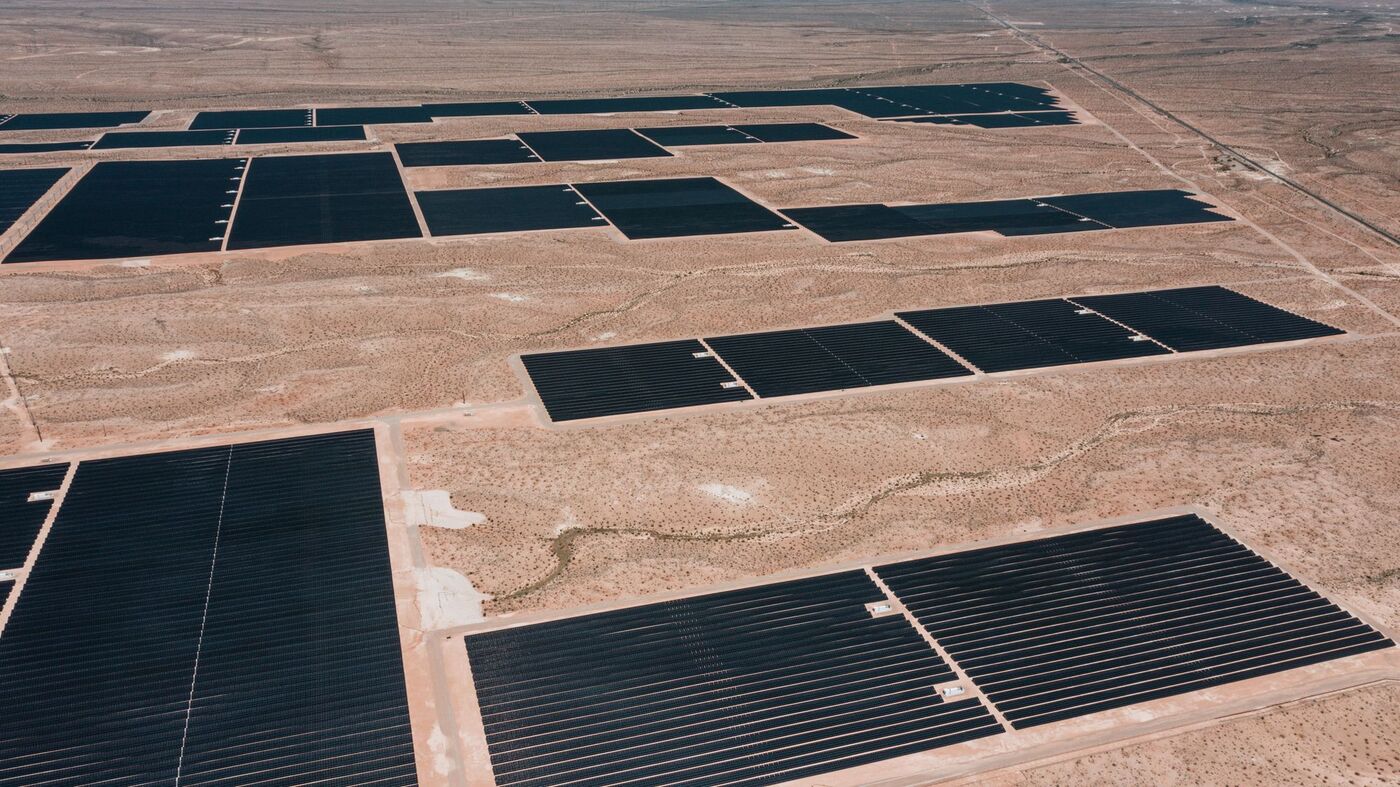
Have a hydrogen project, a technology or a policy question?
Talk to the Centre about regulatory support, certification, applied research partnerships or project preparation.